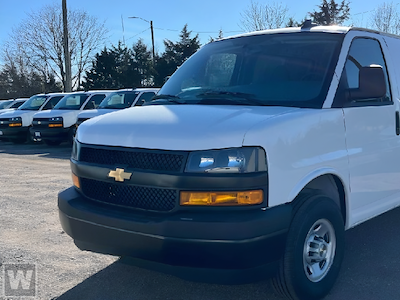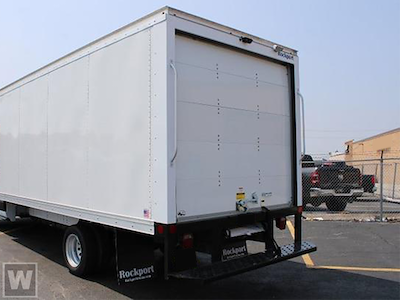

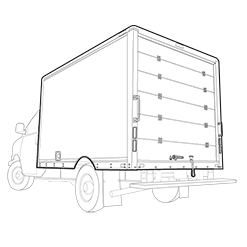
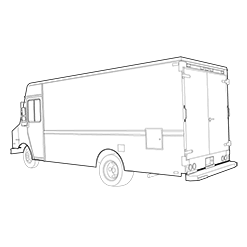
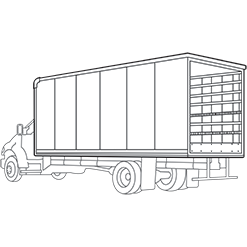
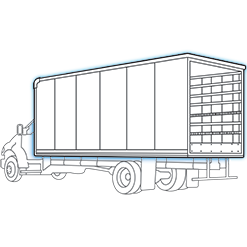
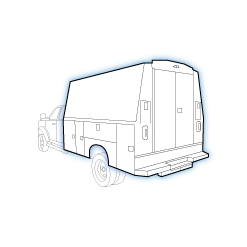




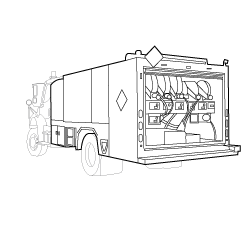
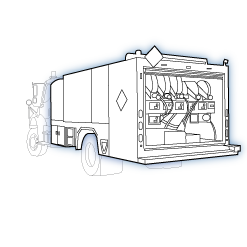
New 2025 Chevrolet Express 3500 Refrigerated Body
Job Ready: 3 Days *| Call For Pricing |
to
to
| Call For Pricing |
Not sure what will work best for your needs? Check out our Commercial Catalog to learn more about your options.
Browse Commercial Catalog
Refrigerated trucks are designed to transport perishable goods like food, medicine, or flowers at controlled temperatures to ensure freshness during delivery.
Cooler trucks maintain temperatures just above freezing for items like dairy or produce, while freezer trucks keep goods frozen, typically below 0°F.
Yes, refrigerated vans are ideal for urban and short-range deliveries of perishable items, offering maneuverability and efficient cold-chain transport.
These trucks use a built-in refrigeration unit powered by the vehicle’s engine or a separate power source to maintain set temperatures in the insulated cargo area.
Owning a refrigerated vehicle allows businesses to control their own cold supply chain, reduce spoilage, and ensure timely delivery of temperature-sensitive goods.
Yes, refrigerated trucks come in various sizes, from compact refrigerated vans to full-size freezer trucks, to suit different business and cargo needs. Sizes vary by body length, body height, and cargo area volume.
Check the truck’s refrigeration unit condition, temperature control reliability, mileage, insulation quality, and maintenance history before purchasing.
With good insulation and battery support, many trucks maintain cold temps for several hours when turned off, but this varies by model and external conditions.
Regular service every few months is recommended, including checking the refrigeration system, insulation, and engine health to avoid breakdowns.
Yes, many refrigerated vehicles can be customized with shelving, lift gates, insulation upgrades, and temperature control features to fill business needs.